Know the price sweet spot before you buy anything
You get two lines on the price scale: where cheap brings regret and where extra money stops helping.
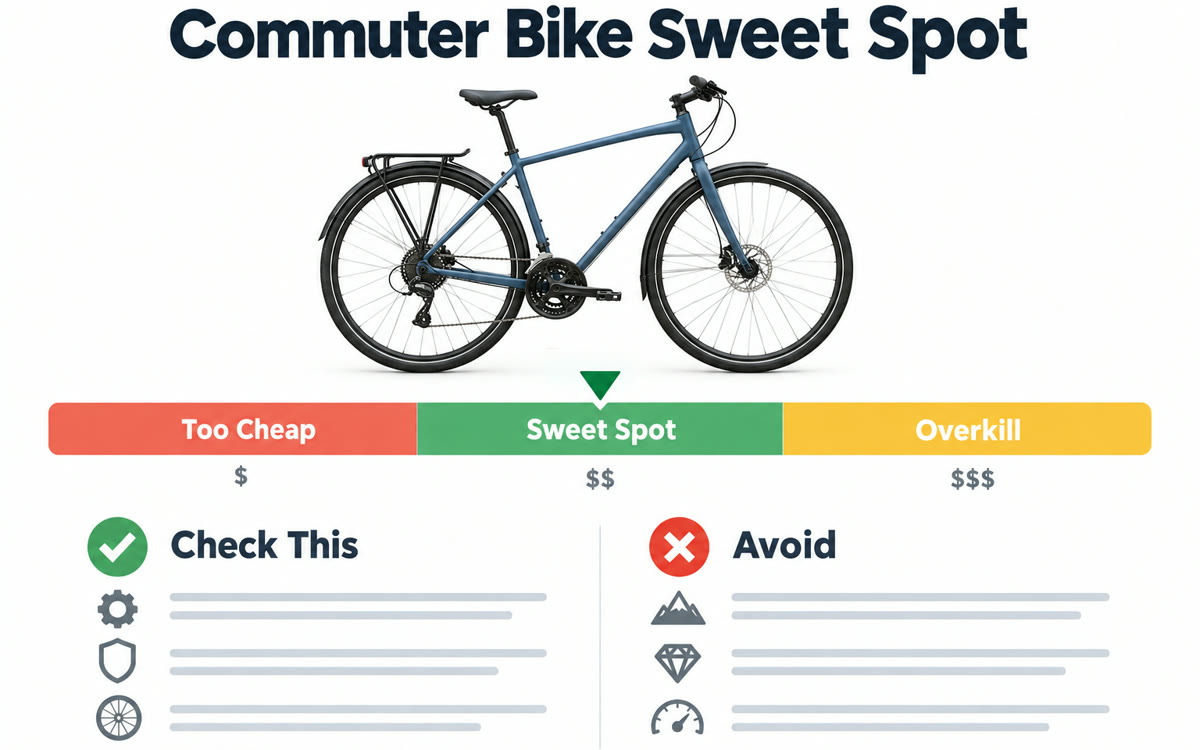
A sample of what you get back, made with AI.
Your prompt
Fill in your details. Skip any you like.
ChatGPT and Claude open with your prompt already typed in. Gemini can't be filled in from a link, so its button copies your prompt: paste it into the new chat.
The prompt that gets copied
I'm about to buy [THE PRODUCT, e.g. an office chair]. How I'll use it: [YOUR USE CASE, e.g. 6 hours a day, I'm tall]. Explain how prices work in this category, judging by function, durability, safety, warranty, upkeep and hidden costs, not brand image. Give me three ranges: 1) too cheap and likely to cause regret, and why, 2) the sweet spot where most people get enough quality, 3) where paying more adds little for my use. For the sweet spot, list five features or specs to check in a listing and two warning signs. Search for current prices if you can, and tell me if your ranges might be out of date.
Name the product and how you'll use it. AI maps the price ranges: where cheap turns risky, where most people are happy and where paying more stops making a difference for you.
Step by step
- Paste the prompt with the product and how you'll use it.
- Ask what to check in a listing at the sweet-spot price.
- Shop only inside that range.
What you'll get
Three clear price bands for the product, plus what to check and what to avoid at the right price.
- Made for
- Everyone, Small business owners
- Works in
- ChatGPT, Claude, Gemini


 Before
 Before